Crafting Suspenseful Thrills in Fiction: Thriller Writing Tips
Updated: Sep 21
Suspense is the heartbeat of any gripping thriller. It pulses through the pages, compelling readers to turn each page with bated breath. As a writer, I have found that crafting suspenseful thrills requires a delicate balance of pacing, character development, and plot twists. It is an art that invites readers into a world where danger lurks just beyond the next sentence, and the unknown beckons with irresistible allure. In this post, I will share practical thriller writing tips that have helped me create stories that captivate and thrill.
Building Suspense: The Foundation of Thrills
Suspense is not merely about shocking revelations or sudden scares. It is the slow, simmering tension that keeps readers on edge. To build this foundation, I focus on raising questions early and delaying answers. For example, introducing a mysterious character whose motives are unclear or hinting at a hidden danger creates an atmosphere thick with anticipation.
Another effective technique is to use foreshadowing subtly. Dropping small clues that hint at future events encourages readers to piece together the puzzle, deepening their engagement. However, it is crucial to avoid over-explaining. Suspense thrives on the unknown, so leaving some elements ambiguous invites readers to imagine the worst.
Pacing plays a pivotal role here. I alternate between moments of calm and bursts of action to maintain a rhythm that mimics the natural ebb and flow of tension. This variation prevents fatigue and keeps the narrative dynamic.
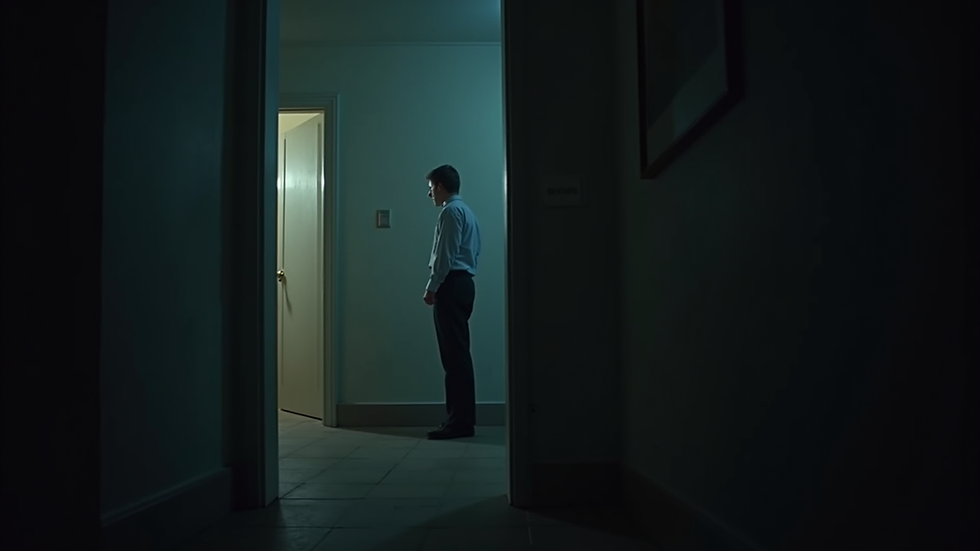
Thriller Writing Tips: Crafting Characters That Heighten Tension
Characters are the vessels through which suspense flows. Without compelling characters, even the most intricate plot can fall flat. I strive to create multi-dimensional characters whose desires and fears resonate with readers. When readers care about a character’s fate, every threat feels personal and urgent.
One technique I use is to give characters flaws and vulnerabilities that make them relatable and unpredictable. For instance, a protagonist who struggles with trust issues may hesitate to accept help, increasing their peril. Similarly, antagonists with complex motivations add depth and prevent the story from becoming a simple good-versus-evil tale.
Dialogue is another tool to build suspense. I write conversations that reveal tension beneath the surface, using subtext and pauses to suggest hidden meanings. This approach keeps readers guessing about characters’ true intentions.
Incorporating internal conflict also enriches suspense. When characters wrestle with their own doubts or moral dilemmas, the stakes become not only external but deeply personal.
Plot Twists and Turns: Keeping Readers Guessing
A well-executed plot twist can elevate a thriller from good to unforgettable. However, twists must feel earned rather than arbitrary. I recommend planting seeds early in the narrative that make the twist plausible in hindsight. This technique rewards attentive readers and enhances re-readability.
To craft effective twists, I often:
Subvert expectations by challenging common tropes.
Introduce unreliable narrators who distort the truth.
Reveal hidden connections between characters or events.
For example, a trusted ally might turn out to be a traitor, or a seemingly random event could have a sinister purpose. These surprises should complicate the protagonist’s journey, forcing them to adapt and evolve.
Balancing twists with clarity is essential. While complexity adds intrigue, excessive confusion can alienate readers. I aim for twists that are surprising yet logical, enhancing the story’s coherence.

Using Setting and Atmosphere to Amplify Suspense
The setting is more than a backdrop; it is a character in its own right that shapes the mood and tension. I carefully select locations that evoke unease or isolation, such as abandoned buildings, dense forests, or claustrophobic interiors. Describing sensory details—sounds, smells, textures—immerses readers in the environment and heightens their emotional response.
Atmosphere can be manipulated through weather, lighting, and time of day. A foggy night or a thunderstorm can amplify feelings of vulnerability and uncertainty. I also use contrasting settings to create tension, such as a serene countryside hiding dark secrets.
Incorporating setting into the plot can raise the stakes. For instance, a character trapped in a remote cabin during a snowstorm faces both external threats and environmental challenges, intensifying suspense.
Mastering Pacing and Timing in Thriller Writing Tips
Pacing is the engine that drives suspense forward. I pay close attention to the rhythm of scenes, balancing fast-paced action with slower, introspective moments. This variation allows readers to catch their breath while maintaining momentum.
Cliffhangers are a powerful tool to end chapters or scenes, compelling readers to continue. I often conclude with a revelation, a question, or a sudden danger that leaves the outcome uncertain.
Timing is equally important in revealing information. I avoid dumping exposition all at once, instead sprinkling details throughout the narrative. This gradual unveiling keeps readers engaged and eager to uncover the truth.
Using short, punchy sentences during high-tension scenes can quicken the pace and mimic a racing heartbeat. Conversely, longer, descriptive sentences work well to build atmosphere and suspense.
For those interested in exploring these techniques further, I recommend visiting a suspense thriller blog that offers a wealth of insights and examples.
The Art of Suspenseful Thrills: Final Thoughts
Crafting suspenseful thrills is a rewarding challenge that combines creativity with careful planning. By focusing on building tension, developing rich characters, weaving intricate plots, and mastering pacing, writers can create stories that grip readers from start to finish.
Each element works in harmony to create an immersive experience where every page turn brings new excitement and uncertainty. As I continue to refine my craft, I remain inspired by the power of suspense to captivate and thrill, inviting readers into worlds where danger and mystery await at every corner.


Comments