Crafting a Captivating Suspense Blog Writing Tips
Writing a suspense thriller is an art that demands precision, creativity, and a deep understanding of human psychology. When I set out to craft a suspense blog writing tips guide, my goal was to share insights that not only inspire but also equip writers with practical tools to engage readers from the first sentence to the last. Suspense thrives on tension, pacing, and the delicate balance between revealing and concealing information. In this post, I will walk you through essential strategies to create a gripping narrative that keeps readers on the edge of their seats.
Understanding the Core Elements of Suspense
Suspense is the heartbeat of any thriller. It is the feeling of anticipation, the electric charge that compels readers to turn pages. To build this, I focus on several core elements:
Uncertainty: Keep readers guessing. Introduce questions early and delay answers.
High Stakes: Make the consequences of failure significant and personal.
Time Pressure: Use deadlines or ticking clocks to heighten urgency.
Emotional Investment: Develop characters readers care about deeply.
For example, in a story where a detective races against time to stop a crime, the ticking clock is a natural suspense driver. But without emotional investment in the detective’s journey, the urgency falls flat. Balancing these elements creates a rich tapestry of tension.

Suspense Blog Writing Tips: Crafting Your Narrative
When I write a suspense thriller blog, I emphasize clarity and engagement. Here are some tips that have proven effective:
Start with a Hook: Open with a scene or statement that immediately raises questions. For instance, a mysterious phone call or an unexplained disappearance.
Use Short, Punchy Sentences: This quickens the pace and mirrors the urgency of the plot.
Employ Cliffhangers: End sections or chapters with unresolved issues to compel readers forward.
Reveal Information Strategically: Drip-feed clues and red herrings to maintain intrigue.
Create Multi-Dimensional Characters: Flawed, relatable characters make suspense more believable.
In my experience, mixing these techniques with a polished yet inviting tone helps maintain reader interest without overwhelming them. The rhythm of your sentences should ebb and flow, much like the tension in your story.
Building Atmosphere and Setting
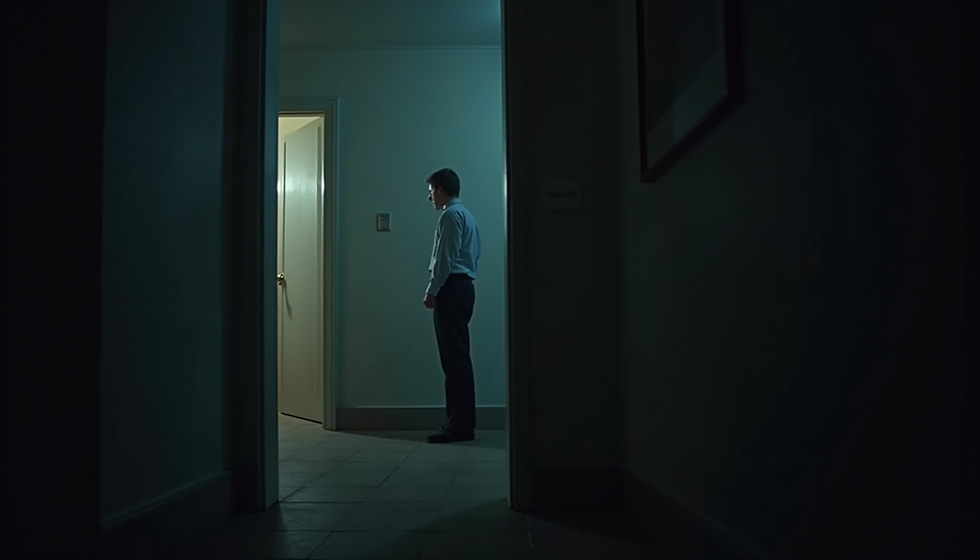
Atmosphere is the silent partner in suspense. It sets the mood and can amplify tension without a single word of dialogue. When I describe settings, I focus on sensory details that evoke unease or anticipation.
Use Weather and Lighting: Fog, rain, shadows, and dim lighting can create a sense of foreboding.
Choose Locations Wisely: Isolated cabins, abandoned buildings, or bustling city streets each bring unique suspense opportunities.
Incorporate Sounds and Smells: The creak of floorboards, distant sirens, or the scent of smoke can immerse readers fully.
For example, a scene set in a rain-soaked alley with flickering street lamps immediately conjures a mood ripe for suspense. These details should be woven seamlessly into the narrative to avoid slowing the pace.

Mastering Pacing and Plot Twists
Pacing is the engine that drives suspense. Too slow, and readers lose interest; too fast, and the story feels chaotic. I recommend:
Varying Sentence Length: Short sentences for action, longer ones for reflection.
Balancing Action and Pause: Allow moments for readers to catch their breath and absorb clues.
Planting Plot Twists Thoughtfully: Twists should feel surprising yet inevitable in hindsight.
Plot twists are the jewels of suspense writing. They must be carefully foreshadowed to avoid feeling contrived. For instance, a trusted ally turning out to be the antagonist works best when subtle hints have been laid earlier.
Engaging Readers with a Suspense Thriller Blog
Creating a suspense thriller blog that resonates requires more than just storytelling skills. It demands an understanding of your audience’s desires and expectations. Readers crave unpredictability but also coherence. They want to feel smart for piecing together clues but surprised by the outcome.
To engage readers effectively:
Invite Interaction: Pose questions or theories in your blog posts.
Share Behind-the-Scenes Insights: Discuss your writing process or character development.
Recommend Related Reads: Guide readers to other suspenseful works or your own novels.
By fostering a community around your writing, you build anticipation for future releases and deepen reader loyalty. This approach aligns perfectly with Patrick NeSmith’s goal of establishing himself as a prominent voice in the genre.
Elevating Your Suspense Writing Journey
Writing suspense is a journey of discovery and refinement. Each story teaches new lessons about pacing, character, and tension. I encourage you to experiment boldly with narrative techniques and to read widely within the genre. Analyze what grips you as a reader and consider how to replicate that effect in your own work.
Remember, suspense is not just about what happens but how it is told. The subtle interplay of language, rhythm, and emotion can transform a simple plot into a captivating experience. Keep honing your craft, and your stories will not only entertain but also linger in the minds of your readers long after the final page.
Crafting a suspense thriller blog is both a challenge and a delight. With these tips and insights, I hope you feel inspired to create narratives that thrill, mystify, and captivate. The world of suspense awaits your unique voice.


Comments